
Pneumatic, electric or hydraulic crimping press?

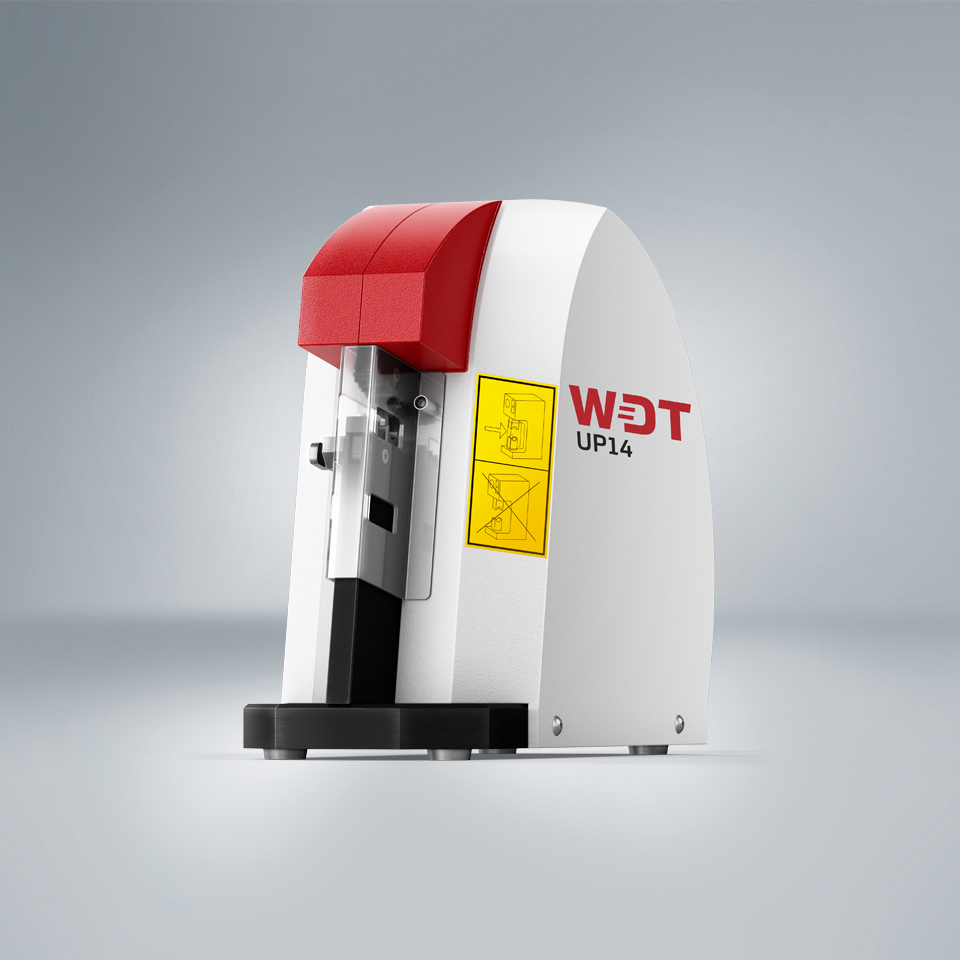
The short answer: The drive is only one part of selecting a crimping press. The exact contact, tooling, required force, stroke and shut height must be compatible. There is no general rule that a pneumatic, electric or hydraulic machine is best for every cross-section and production run.
What is the difference between the three drive types?
Pneumatic solutions use compressed air, electric solutions use an electric drive, and hydraulic solutions use a hydraulic system to transmit force. Combined designs also exist. WEZAG offers various such machines, while Mecal describes electromechanical presses. These categories do not, by themselves, determine compatibility with your contact.
Comparison — force, cross-sections, speed, noise and maintenance
| Criterion | How to compare proposals |
|---|---|
| Force and stroke | Against the requirements of the tool and operation |
| Contacts and cross-sections | By approved combinations, not just maximum cross-section |
| Speed | Including positioning, feeding and quality control |
| Noise and consumables | According to data for the exact model and operating conditions |
| Maintenance | According to the manual, workload and service plan |
Do not derive a universal ranking for force or noise solely from the drive type. Compare technical data sheets under the same conditions and establish what is included in the configuration.
When to choose each type
Start with the operation and available infrastructure: electrical supply, air, workstation and feeding method. Check permissible tooling and arrangements for safe operation. Loose-piece contacts and strip-fed applicators may require different solutions. Selection must be confirmed against a specific task, not a general label.
Applicators and tool changeover
Establish the mounting interface, shut height, stroke, feeding and required control. A quick physical change does not remove the need to check initial samples. State the time for a complete changeover through to an approved product. Setup and maintenance must be performed by trained personnel according to the manual, without removing or bypassing safeguards.
Frequently asked questions
- Does more force always mean a better crimp? No; correct geometry and the specification matter.
- Can any applicator be used on any press? No; compatibility must be confirmed.
- Is cross-section alone enough? The contact, wire, tool and operation are also needed.
- What does a reasonable comparison include? The entire work cycle, safety, quality control, changeover and maintenance.
Sources
See the glossary and the Tekuni blog. For a specific application contact us.