
Ultrasonic plastic welding: applications and part requirements

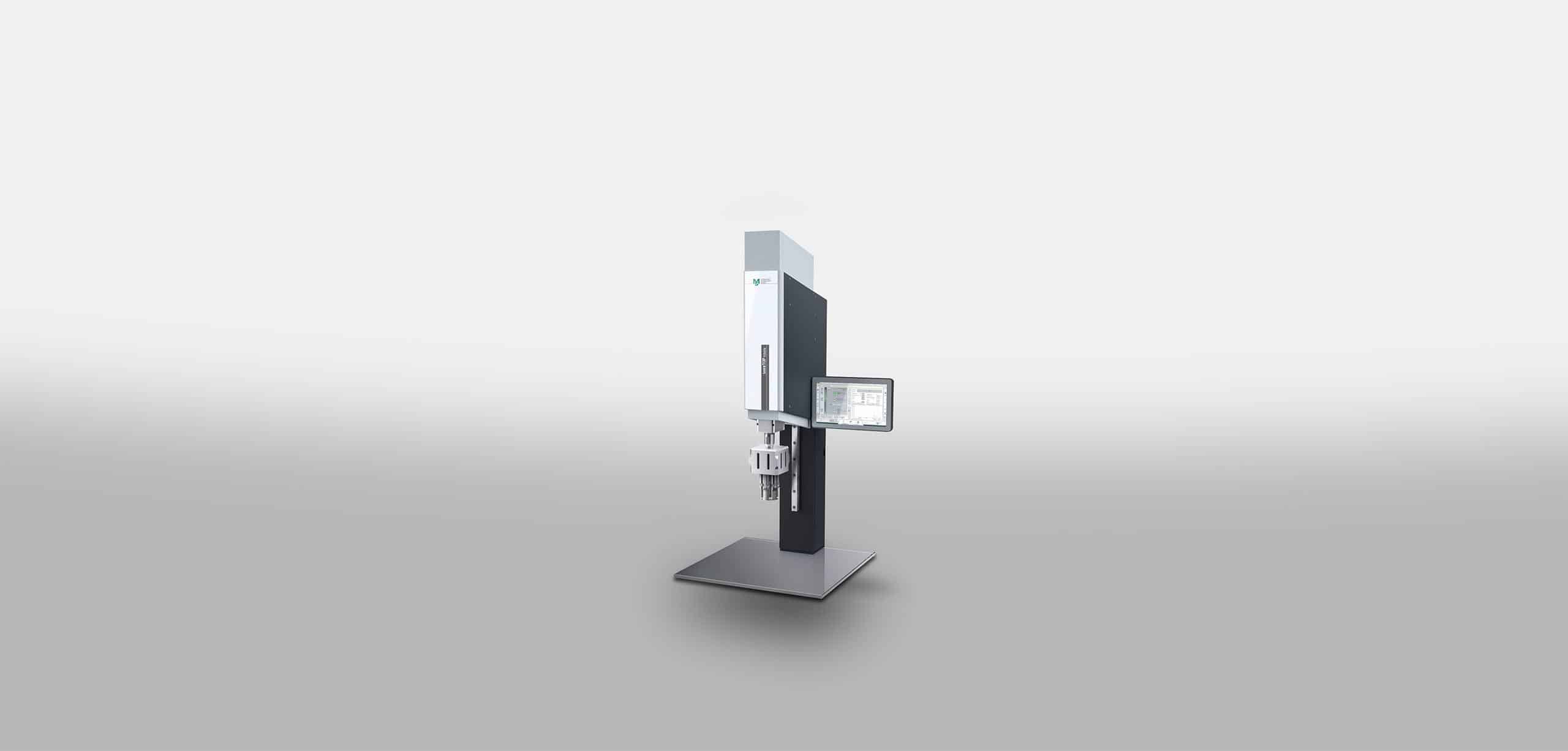
The short answer: In ultrasonic plastic welding, vibration creates local heating in the joining area. The material and part design are decisive. Machine selection starts with a drawing, the exact polymer and the requirements for the finished joint, not a universal setting.
How does ultrasonic plastic welding work?
The sonotrode introduces vibration into the part, while the fixture provides positioning and support. Melt forms in the joining area and creates the bond under pressure. This differs from ultrasonic metal welding. Settings and tooling for one process cannot be transferred to the other.
Which plastics can be welded?
The method is used mainly for thermoplastic materials. The same trade name does not guarantee the same behaviour: the exact grade, additives and combination of the two parts matter. MS Ultrasonic specifies various permissible material combinations, but suitability must be confirmed for the specific part and acceptance criteria.
What are the part requirements — shape, energy director and tolerances?
The geometry must direct energy to the intended area. The energy director is a design feature of the joint; its shape depends on the material and task. Suitable support surfaces and positioning must be provided. Do not select energy-director dimensions or tolerances from a generic online diagram without assessing the part.
Typical applications
Manufacturers describe applications in housings, electronics, automotive components and packaging. Criteria may include strength, appearance or leak-tightness. A successful demonstration on another product does not prove suitability for yours. Describe how the finished joint will be tested and which loads it must withstand.
Ultrasonics or another joining method — when to choose each
Compare ultrasonics with adhesive bonding, mechanical assembly or another welding process according to the design. Consider disassembly, consumables, tool access, control and changeover time. There is no universally best method. Drawings, material data, samples and clearly described tests help inform the decision, without promising a result in advance.
Frequently asked questions
- Are all plastics suitable? No; the exact material and compatibility must be checked.
- Is an energy director always needed? The design depends on the selected joint type and tooling.
- Can the weld be leak-tight? This can be a target, but it must be demonstrated by testing the specific product.
- What should I prepare for an assessment? A drawing, exact materials, annual volumes and acceptance criteria.
Sources
See the glossary and the Tekuni blog. For a specific application contact us.