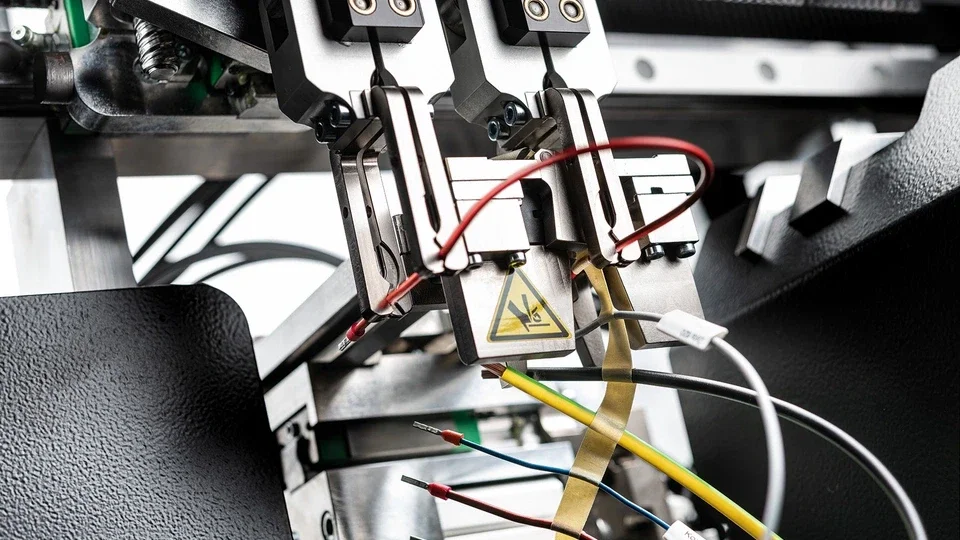
Modern production demands more than speed. Wire harness manufacturing requires repeatable quality, documented process data and the ability to run many variants with minimal operator effort. Full automation platforms address these requirements by combining modular process stations, integrated quality monitoring and connectivity that fits an Industry 4.0 strategy.
Tekuni supports manufacturers in Bulgaria with solutions for full automation in wire processing and harness testing. The goal is measurable: higher output per shift, lower cost per harness, and a stable process window that holds across shifts, operators and material batches.
Driven by continuous innovation
Automation evolves because production challenges evolve. New materials, tighter tolerances, traceability rules and customer-specific standards require platforms that can adapt. Full automation machines are designed around modularity: processes can be added, monitored and scaled without redesigning the entire line.
Highly flexible, seamlessly connected
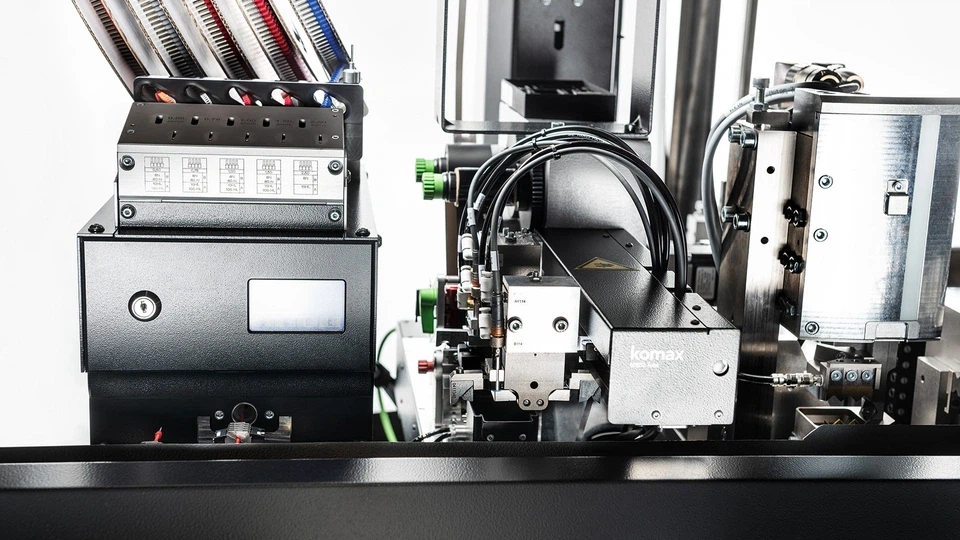
Fully automated wire processing machines deliver flexibility through modular process chains, while connectivity enables integration into your production ecosystem:
- Interfaces for feeding and coiling systems, marking equipment and testers
- Data interfaces for quality records, traceability and analytics
- Standardized operation concepts for faster training and fewer setup errors
Full automation
Your benefits in Bulgarian production environments
- Robust and user-friendly operation for stable day-to-day production
- High-volume capability, but also efficient small batches via quick changeovers
- Reduced labor dependency through integrated automation and monitoring
- Higher first-pass yield and fewer rework loops thanks to in-process quality checks
Wire-harness lines
Effective production and quality solutions
Full automation is not only about processing. It also includes testing and verification. Depending on your product mix, solutions can cover everything from simple cables to complex harnesses, including functional and continuity checks and high-voltage requirements.
Testing and quality control
Typical automated process modules
A full automation platform is built as a controlled sequence of processing and verification steps. Common modules include:
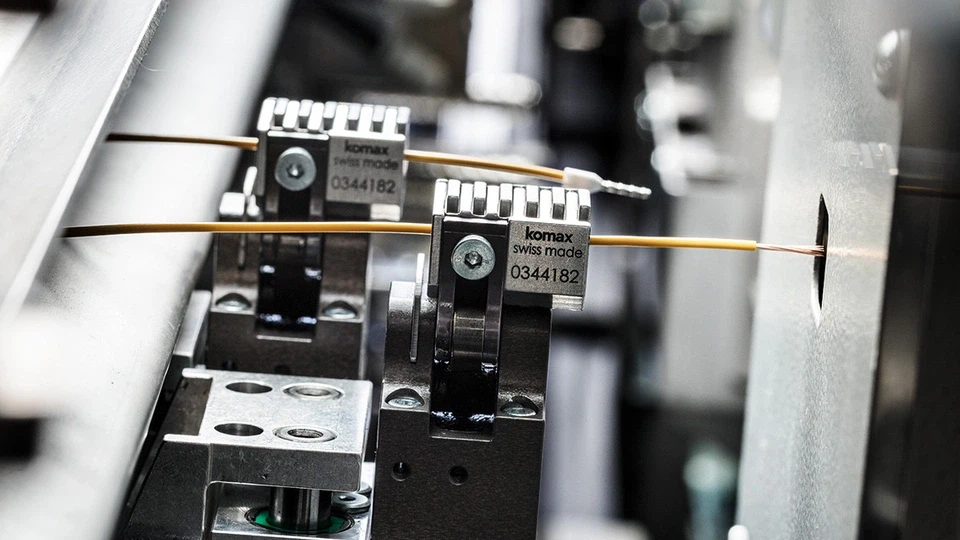
- Cutting and stripping (cut & strip) with length monitoring and insulation integrity checks
- Crimping with crimp force monitoring (CFM) and optional crimp height verification
- Seal insertion and positioning with process monitoring
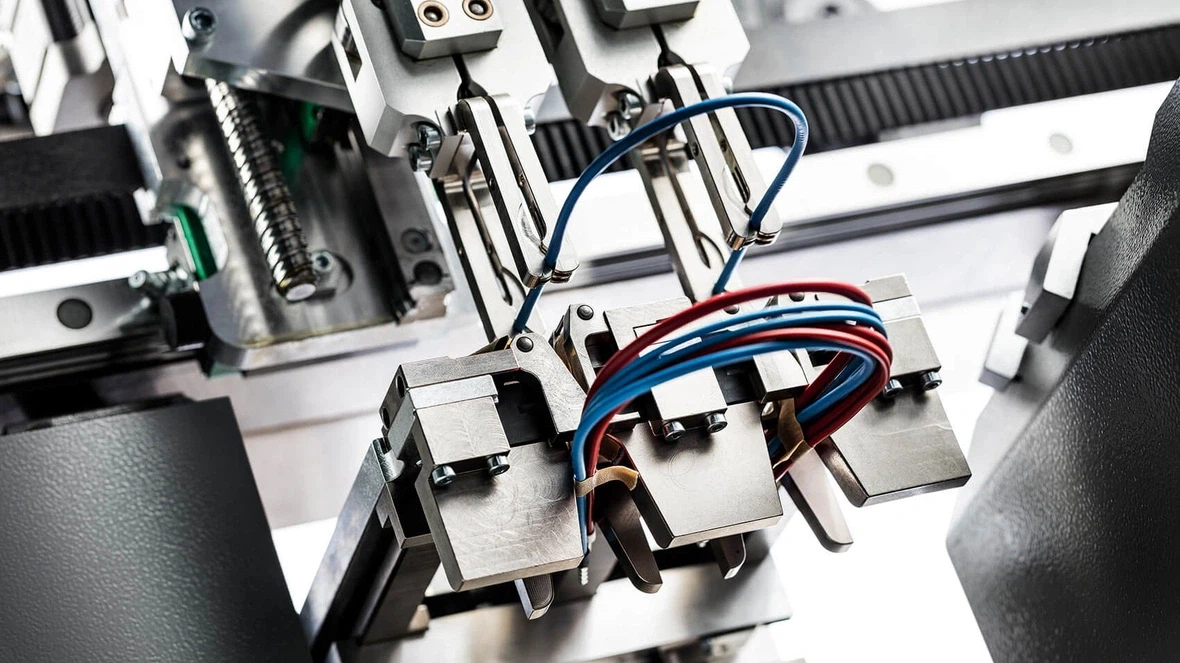
- Housing insertion and automated housing assembly for defined connector families
- Twisting, marking and downstream handling for stable logistics between steps
- In-line testing concepts aligned to the harness complexity
Process modules and stations
Ready for a smart factory
Connectivity turns automation into a controllable system. With Smart Factory concepts, production data becomes actionable: process parameters, alarms, maintenance indicators and quality outcomes can be linked to line performance and traceability requirements. This supports audit readiness and continuous improvement.
How projects are implemented
To deliver predictable results, full automation projects should be managed with a clear scope and acceptance criteria. Typical steps include sample evaluation, process chain definition, concept design, integration planning, capability verification and structured ramp-up support in the factory.
Next steps